History of ATR
ATR was established in 1986 with the broad support and dedicated efforts of industry, academia, and government, and this year marks its 35th anniversary.
Because of the circumstances of its establishment, ATR began as a stock company. Since then, it has continued its research activities as a unique private-sector research institute without precedent, pursuing ambitious basic and pioneering research that would be difficult for ordinary private companies to undertake. The original investment scheme of the Japan Key Technology Center came to an end in fiscal 2000, creating a severe management environment and even placing ATR's survival at risk. Nevertheless, thanks to the warm support and cooperation of all those involved, as well as the efforts of our outstanding predecessors and researchers, ATR has steadily produced research achievements and continues to do so today. Progress is also being made in the commercialization of research outcomes. Although ATR-related companies have not yet grown into businesses capable of fully supporting the Group, they are making steady progress.
In 1985, the Public Telecommunications Act, which had governed Japan's telecommunications business, was abolished, and Nippon Telegraph and Telephone Public Corporation was privatized. Using the government's shareholding in the newly established NTT, equivalent to one-third of all shares, the Japan Key Technology Center (KTC) was established as an organization to support basic and advanced research through private-sector initiative.
Meanwhile, plans to build Kansai Science City in the hilly area spanning Kyoto, Osaka, and Nara were being advanced, primarily by the Kansai Economic Federation. Within this context, the idea emerged of establishing an advanced basic research institute in telecommunications as one of the city's core facilities, with investment from KTC.
To give concrete form to the plan for this basic technology research institute, the Preparatory Study Group for the Establishment of a Telecommunications Basic Technology Research Institute was established in March 1985, as shown in Figure 1. The group consisted of representatives from the Ministry of Posts and Telecommunications, NTT, major Kansai Economic Federation member companies, universities, and other organizations, and was chaired by Nobuaki Kumagai, President of Osaka University. In October 1985, based on the findings of this preparatory study group, the Preparatory Committee for the Establishment of the Advanced Telecommunications Research Institute International was formed to apply to KTC for investment. The committee was chaired by Yoshihiro Inayama, Chairman of Keidanren, with Hosai Hyuga, Chairman of the Kansai Economic Federation, serving as Vice Chair. Under the committee, a Technical Committee, chaired by Professor Makoto Nagao of Kyoto University, and a secretariat were established to examine concrete matters such as the research promotion structure and master plan. 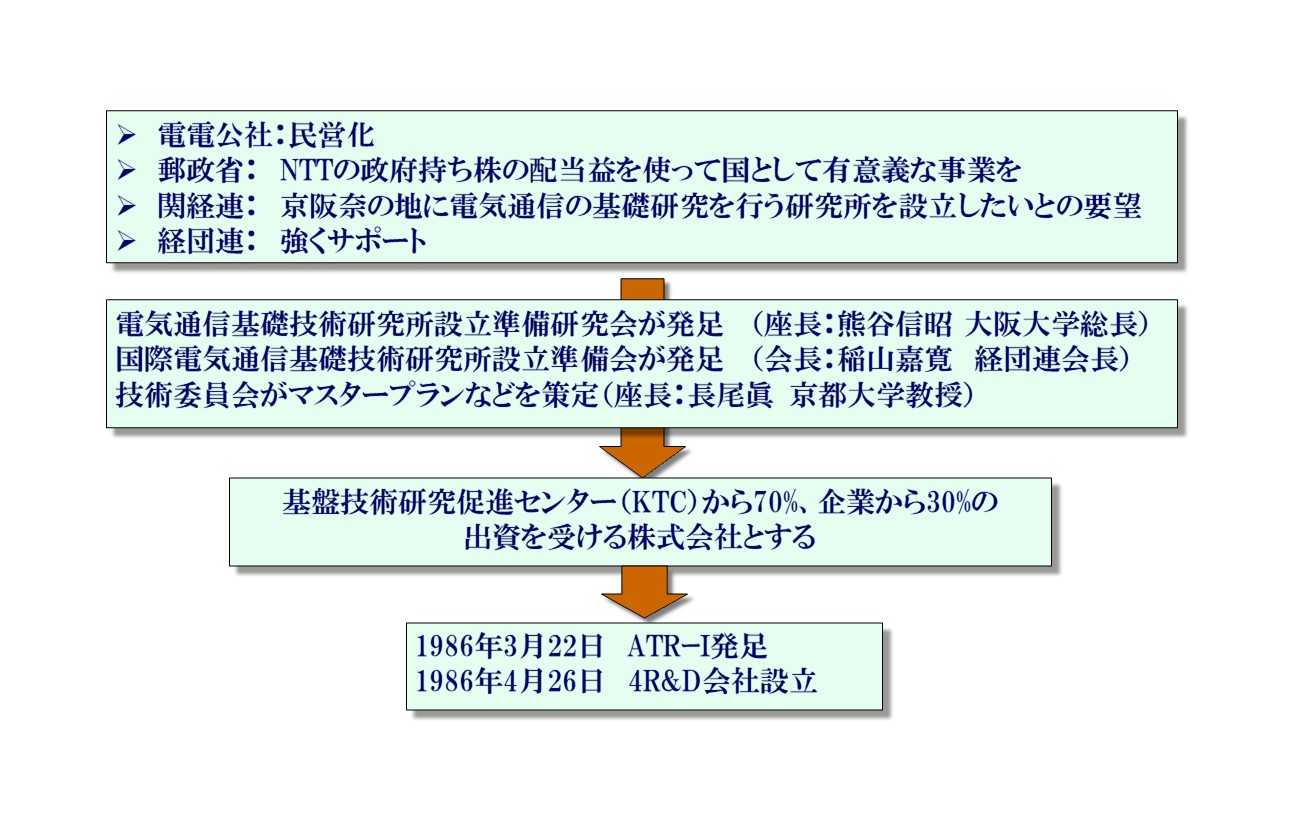
Figure 1. Background Leading to the Establishment of ATR
Through this process, ATR was born as a private-sector research institute funded by KTC and private companies, dedicated to ambitious basic and pioneering research that would be difficult for ordinary private companies to undertake.
For the Kansai Economic Federation and others who worked to promote ATR's establishment, organizing the institute as a stock company appears to have been an unwelcome necessity. In its statement dated April 1, 1985, explaining the purpose of establishing the preparatory study group, the Kansai Economic Federation expressed the following view.
"The concept is to establish this institute as a stock company with investment and loans from the Japan Key Technology Center. In principle, a stock company exists to pursue profit and is not an appropriate form for an institute whose primary purpose is basic research. However, since incorporation as a stock company is a condition for receiving investment from the Center, we are prepared, as a concession, to accept the stock company format."
Furthermore, KTC's investment program was funded through the Special Account for Industrial Investment. Research funding was capped at 70 percent, and the investment period was limited to seven years, or ten years in specially approved cases. Investment in research and development companies by KTC and the private sector continued until 2001.
Purpose and Basic Principles of ATR's Establishment
Based on the conclusions reached by the Preparatory Committee, and in light of the purpose for which ATR was to be established, the four items shown in Figure 2 were set forth as ATR's Basic Principles. The first principle, when the term telecommunications is understood today as information and communications technology (ICT), directly corresponds to the fields of research and development that ATR has pursued throughout the 35 years since its founding. With respect to the second principle, many outstanding researchers from private-sector laboratories, public research institutions, and other organizations have joined ATR through secondment and related arrangements. Through close collaboration with universities and other external research institutions, ATR has conducted research activities with the aim of becoming a Center of Excellence (COE), not only in Japan but also internationally. ATR may be regarded as one of the earliest private-sector research institutions to adopt a framework functioning as an open innovation center. Regarding the third principle, contribution to the international community, ATR has sought to contribute to the world through advanced research achievements while actively promoting research and personnel exchanges with leading overseas research institutions and universities since its establishment. ATR has maintained a highly international research environment, with foreign researchers consistently accounting for more than 20 percent of all researchers. Since its establishment, ATR has hosted a cumulative total of 2,786 foreign researchers from 68 countries. In this sense, ATR can be seen as a forerunner of the globalization that came to be widely emphasized from the 2000s onward. The fourth principle, "playing a central role in Kansai Science City," represents an inherent responsibility for ATR, which was established as the first research institution in the city through the dedicated efforts and support of the Kansai Economic Federation and many others. In this respect, ATR advocated 35 years ago an approach comparable to what is now called ESG management, emphasizing Environment, Social, and Governance, concepts that have attracted growing attention in Japan in recent years.
Initially, the plan was to conduct these research activities within a single organization. Under the KTC investment scheme, however, a ceiling was placed on the amount of investment available. ATR therefore began with a five-company structure: four R&D companies, each corresponding to one of the research projects, and ATR-I, a research-promotion company that provided personnel, facilities, and financial support to the four R&D companies. ATR-I* was established in March 1986, and the four R&D companies were established in April of the same year. Until the present ATR research facilities were completed in Keihanna Science City three years later, in April 1989, the operations and research activities of the five companies were carried out in the newly built Twin 21 Building near Osaka Castle.
(*ATR-I: ATR International, Advanced Telecommunications Research Institute International) 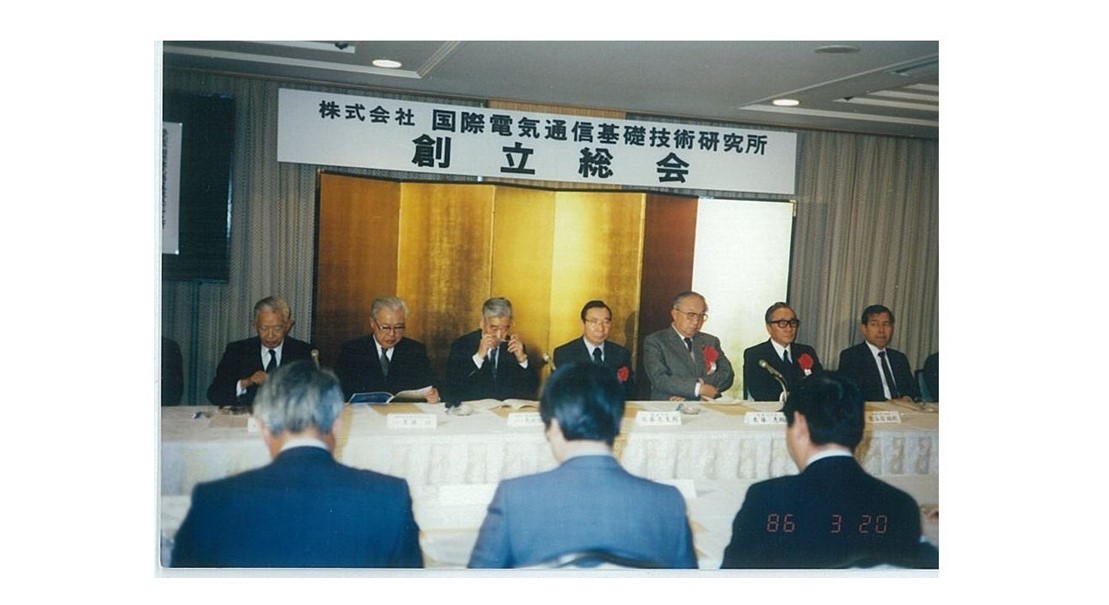
ATR's Founding General Meeting
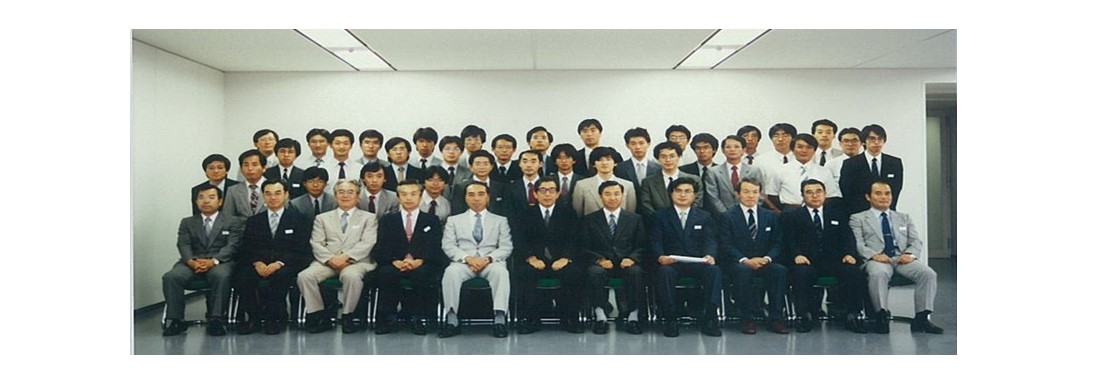
Commemorative Photograph at the Entrance Ceremony
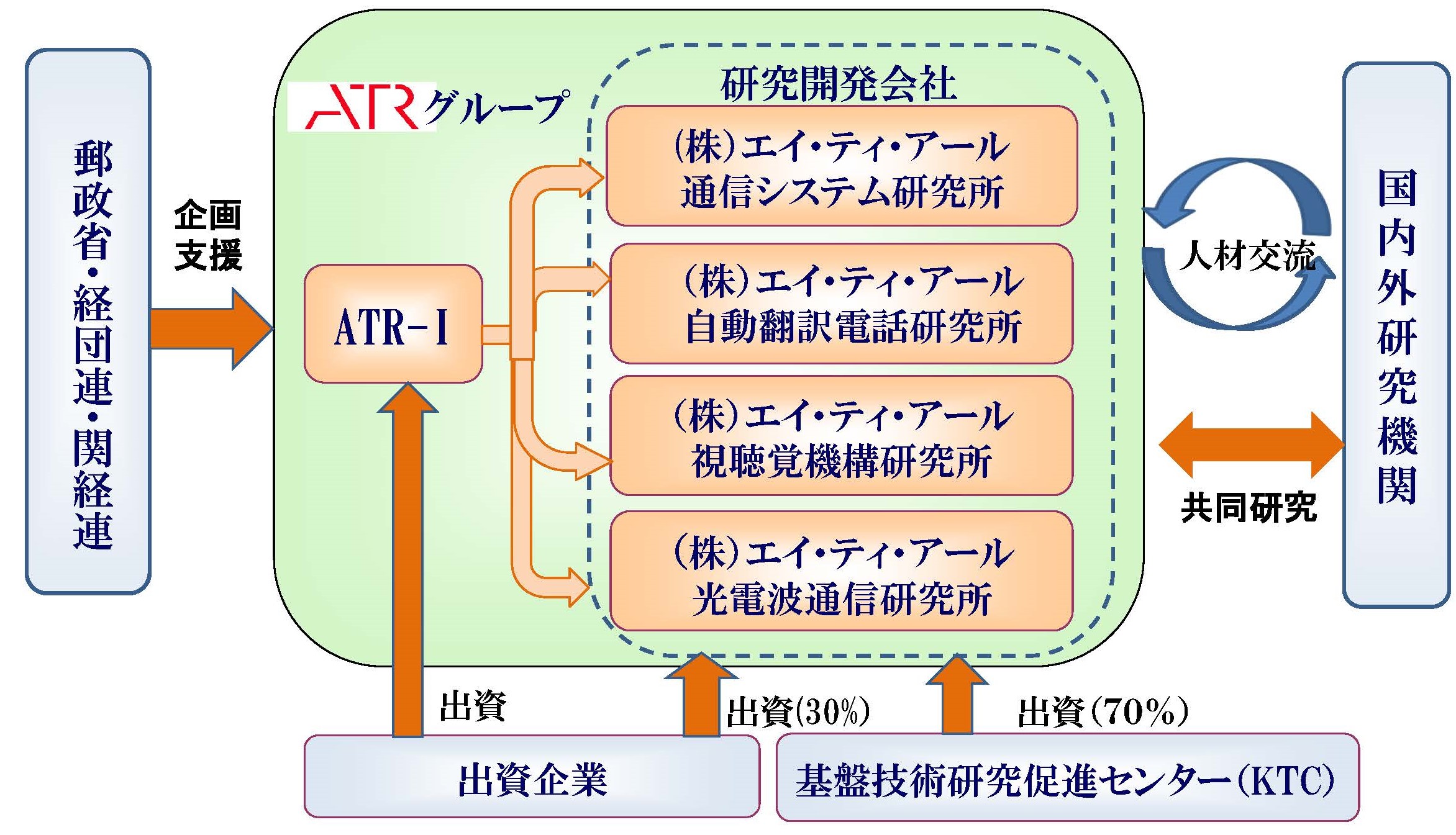
Figure 3. ATR-I and the Four R&D Companies under the KTC Scheme
Completion of the Keihanna Research Laboratories
After operating from temporary research facilities in Osaka for three years, ATR officially opened its current research laboratories in April 1989 as the first research facility in Kansai Science City (Keihanna Science City). At the time of construction, the site was little more than forested hills with few proper roads. Over a period of approximately two years, the campus was developed into a state-of-the-art research facility designed to symbolize the future of the first research institute in Keihanna Science City. Particular care was taken to ensure that the laboratories would serve as a model for the many research institutions planned to follow. The campus was designed to provide an outstanding research environment by promoting comfortable working conditions, encouraging interaction and communication among researchers, and preserving the area's rich natural surroundings.
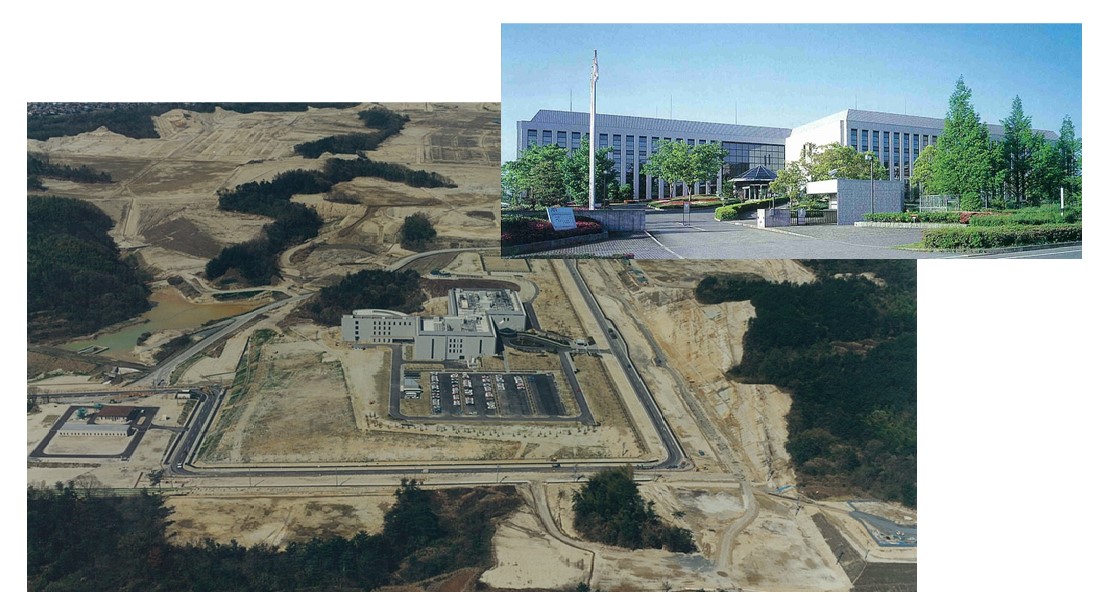
Panoramic View of the ATR Keihanna Research Laboratories during Construction
In addition to the research facilities themselves, considerable attention was devoted to creating an environment and infrastructure that would enable outstanding researchers from Japan and around the world to conduct their research efficiently and collaboratively.
For example, ATR was among the first research institutes in Japan to establish an Internet infrastructure linking universities and research institutes both domestically and internationally. This network greatly facilitated collaborative research and international research partnerships.
ATR also deployed a campus-wide local area network (LAN), connecting workstations, servers, printers, and other computing resources throughout the laboratories. Although such networked environments are commonplace today, this represented a highly advanced research infrastructure at the time and significantly enhanced research productivity and collaboration.
Furthermore, ATR regularly invited internationally renowned researchers to its campus and hosted numerous international conferences on topics such as artificial intelligence. These activities provided valuable opportunities for researchers from around the world to exchange ideas and foster international collaboration.
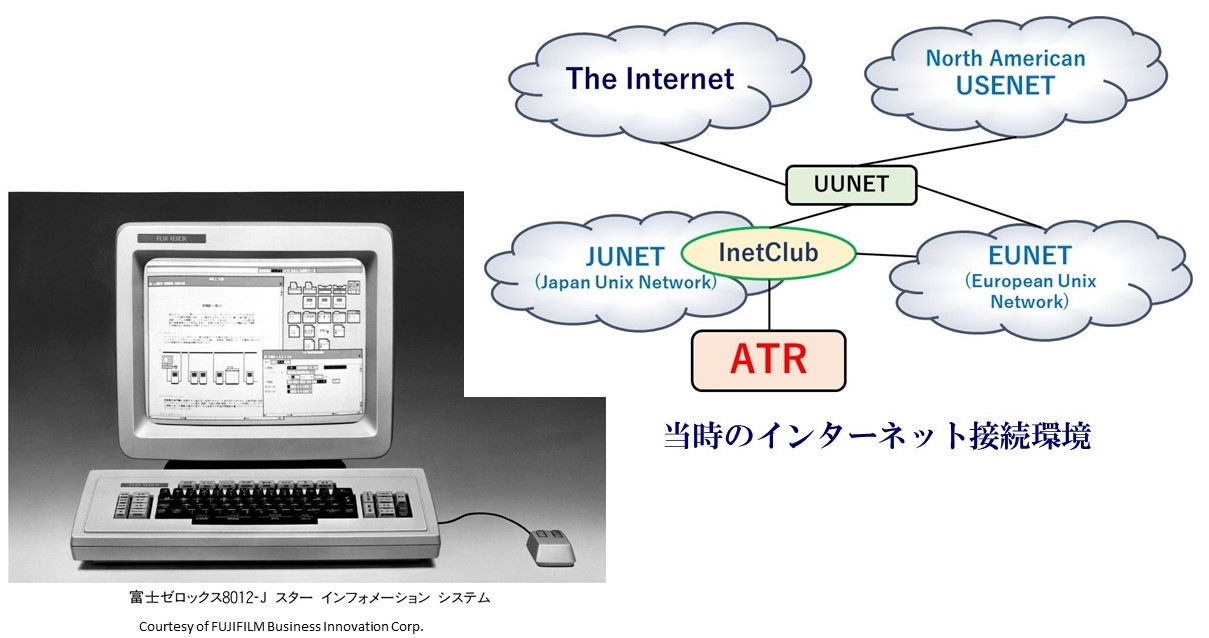
Figure 4. Examples of Research Support Tools
Research and Development Conducted by the Four R&D Companies
The four research themes selected at ATR's inception were all visionary fields with the potential to become the seeds of future technological innovation, grow into core technologies, and ultimately generate transformative breakthroughs. Outstanding researchers and engineers with expertise in these four fields were recruited from NTT laboratories, universities, public research institutes, and private companies, and research activities began under the four R&D companies. As illustrated in Figure 5, the Communication Systems Research Laboratories conducted research on immersive communications and automatic software generation technologies. The Interpreting Telephony Research Laboratories focused on speech recognition, machine translation, and speech synthesis technologies. The Optical and Radio Communications Research Laboratories pursued forward-looking research topics, including mobile communications technologies aimed at realizing wristwatch-sized mobile telephones, as well as optical inter-satellite communication systems using laser links between satellites. Meanwhile, the Auditory and Visual Perception Research Laboratories carried out fundamental research on the mechanisms of human auditory and visual information processing, while also conducting pioneering studies in artificial intelligence and neural networks. During the mid-1980s, artificial intelligence experienced its second major wave of worldwide interest. Researchers increasingly recognized that learning from the structure and function of the human brain could provide powerful approaches for solving a wide range of complex problems. As a result, AI research accelerated rapidly both in Japan and internationally. From its inception, ATR identified neural networks as one of its highest-priority research areas. This long-term commitment led to internationally recognized achievements in speech and language processing, image processing, robotics, machine learning, and many other fields, establishing ATR as one of the world's leading research centers in neural network research.
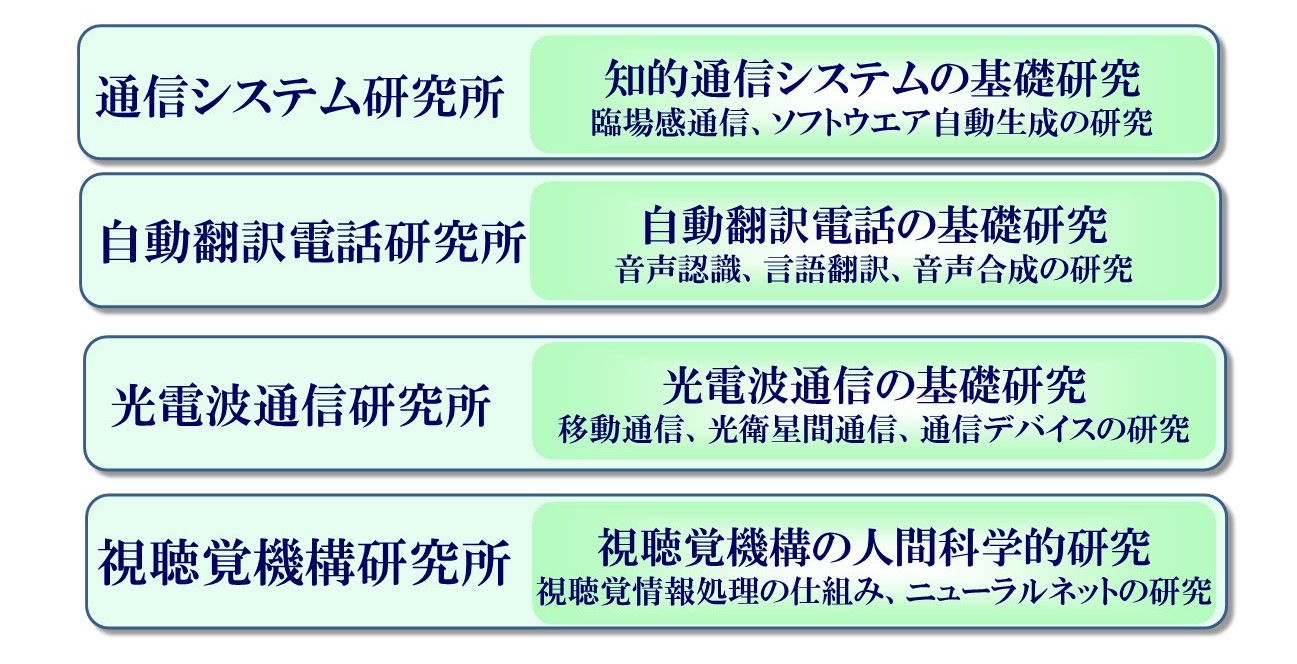
Figure 5. Major Research Themes of the Four R&D Companie
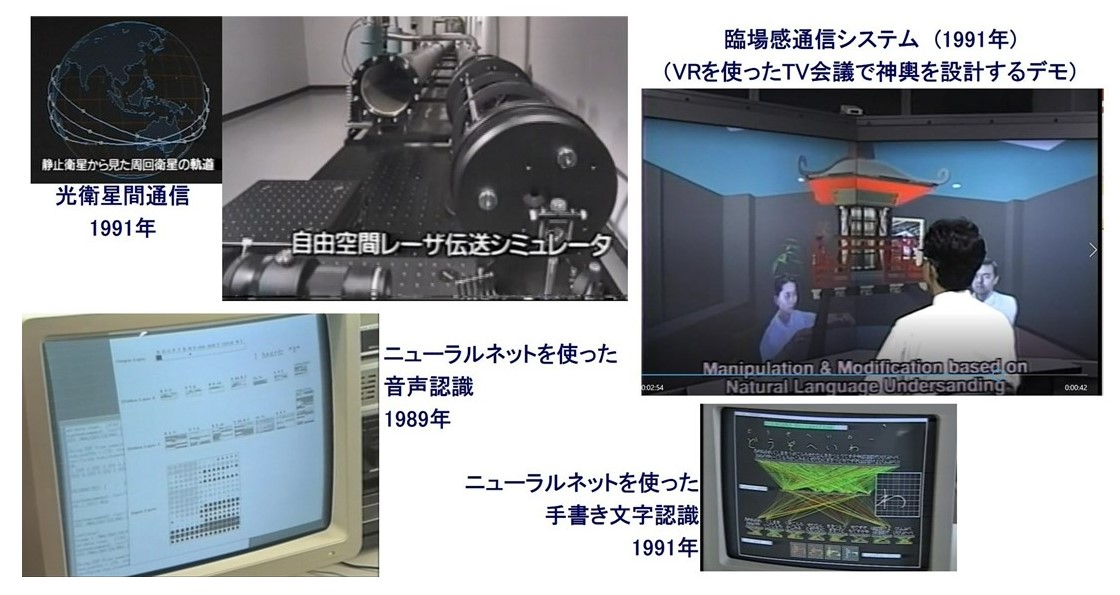
Examples of ATR's Early Research Achievements
One indication of ATR's international reputation can be found in an article published by the prestigious U.S. business magazine ”Business Week”.
In its 1997 special feature, "The World's Leading Information Technology Research Laboratories," based on a worldwide survey, ATR was ranked fourth in the world in research areas including Artificial Life (ALife) and Artificial Intelligence (AI), alongside such internationally renowned institutions as MIT and Stanford University.
Remarkably, when compared with a similar survey published in 1978, nearly all of the organizations occupying the top positions remained unchanged—with ATR being the only new institution to join the world's leading group.
That ATR achieved such international recognition as a Center of Excellence (COE) within little more than a decade of its establishment stands as compelling evidence of the remarkable progress and impact of its research activities.
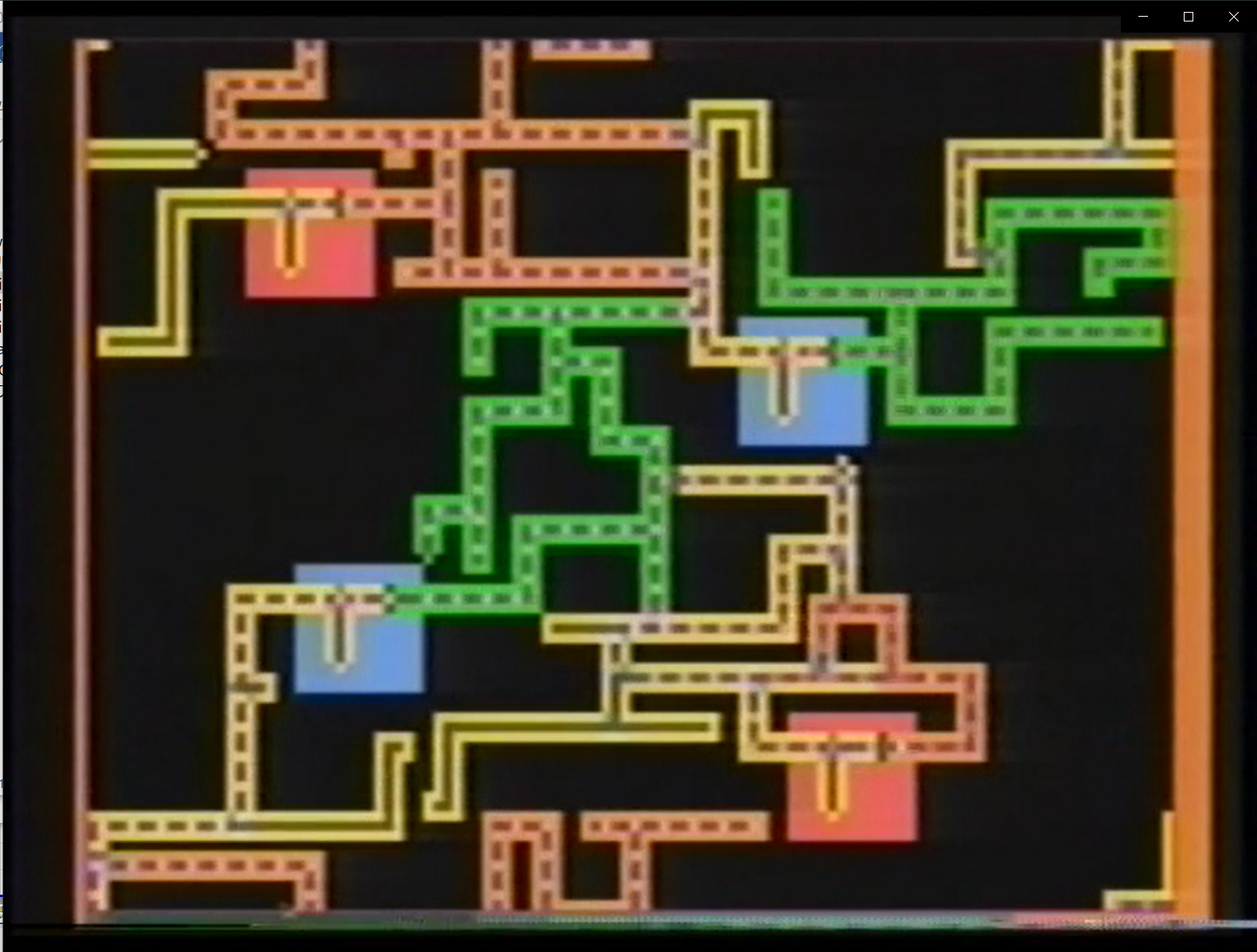
Figure 6. Simulating the Evolution of Hardware Using an Artificial Life Approach
Building on its achievements in artificial intelligence and neural networks, ATR subsequently expanded its research into a deeper understanding of the principles underlying brain activity and the mechanisms of brain function. This led to the development of Brain–Machine Interfaces (BMIs), enabling direct communication between the human brain and machines or information networks. ATR has since continued to advance this research while pursuing practical applications in rehabilitation, medicine, and healthcare.
KUnder the KTC investment program, research projects were funded for a maximum of seven years, or ten years in exceptional cases. Consequently, the Interpreting Telephony Research Laboratories and the Auditory and Visual Perception Research Laboratories completed their original missions in 1992, while the Communication Systems Research Laboratories and the Optical and Radio Communications Research Laboratories concluded their activities in 1995.
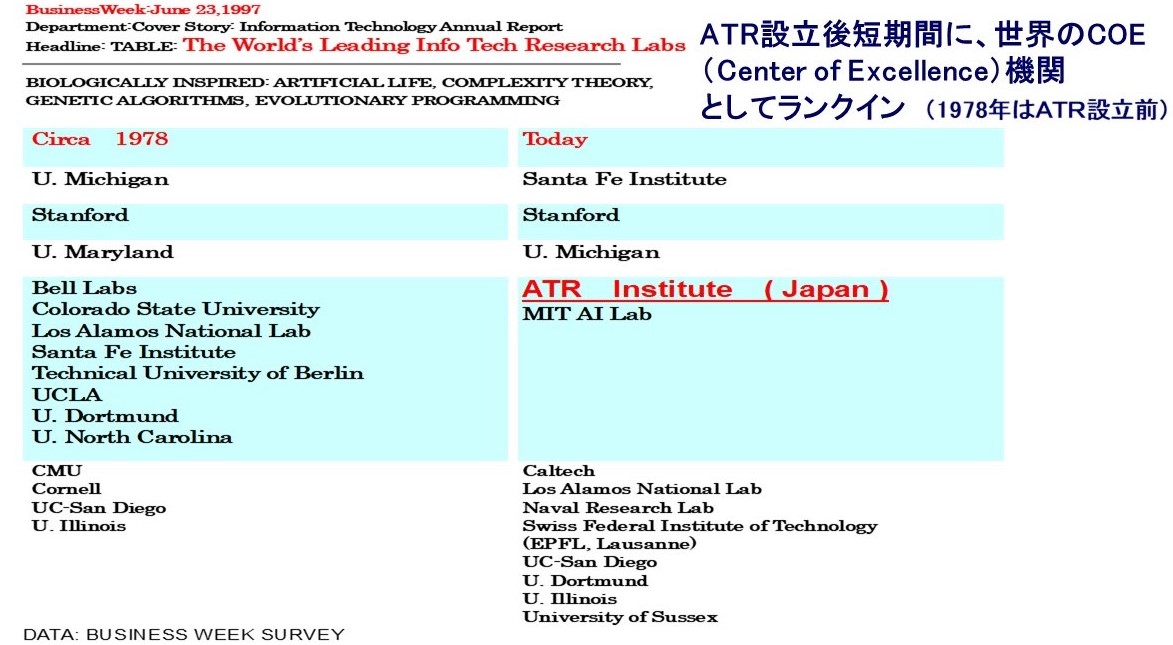
Figure 7. Examples of International Recognition of ATR's Research
Transition to a Unified ATR Organization
To further develop the research achievements of these four laboratories, ATR established four successor research laboratories: the Human Information Processing Research Laboratories, the Spoken Language Translation Research Laboratories, the Media Integration & Communications Research Laboratories, and the Adaptive Communications Research Laboratories. Research activities under this four-company R&D structure continued until the KTC investment program came to an end in 2001.
The research promotion program administered by the Telecommunications Advancement Organization of Japan (TAO), like the earlier investment program of the Japan Key Technology Center (KTC), was financed through the Japanese Government's Special Account for Industrial Investment. Under this program, research projects were funded for a fixed period of five years and were completed in stages, with all projects concluding by the end of fiscal year 2009. As a private corporation, the ideal model for ATR was to sustain its operations through revenues generated from intellectual property licensing, technology transfer, and the commercialization of its technologies. In reality, however, these revenue streams alone were insufficient to support the institute's long-term research activities. Securing new sources of research funding therefore became an urgent priority in order to preserve, expand, and further develop ATR Research Results. As it became increasingly difficult to rely on a single funding organization, ATR adopted a multi-funding strategy, actively competing for research grants from a broad range of public funding agencies. By successfully obtaining competitive research funding from multiple sources, ATR established a more diversified and sustainable financial foundation for its research activities.
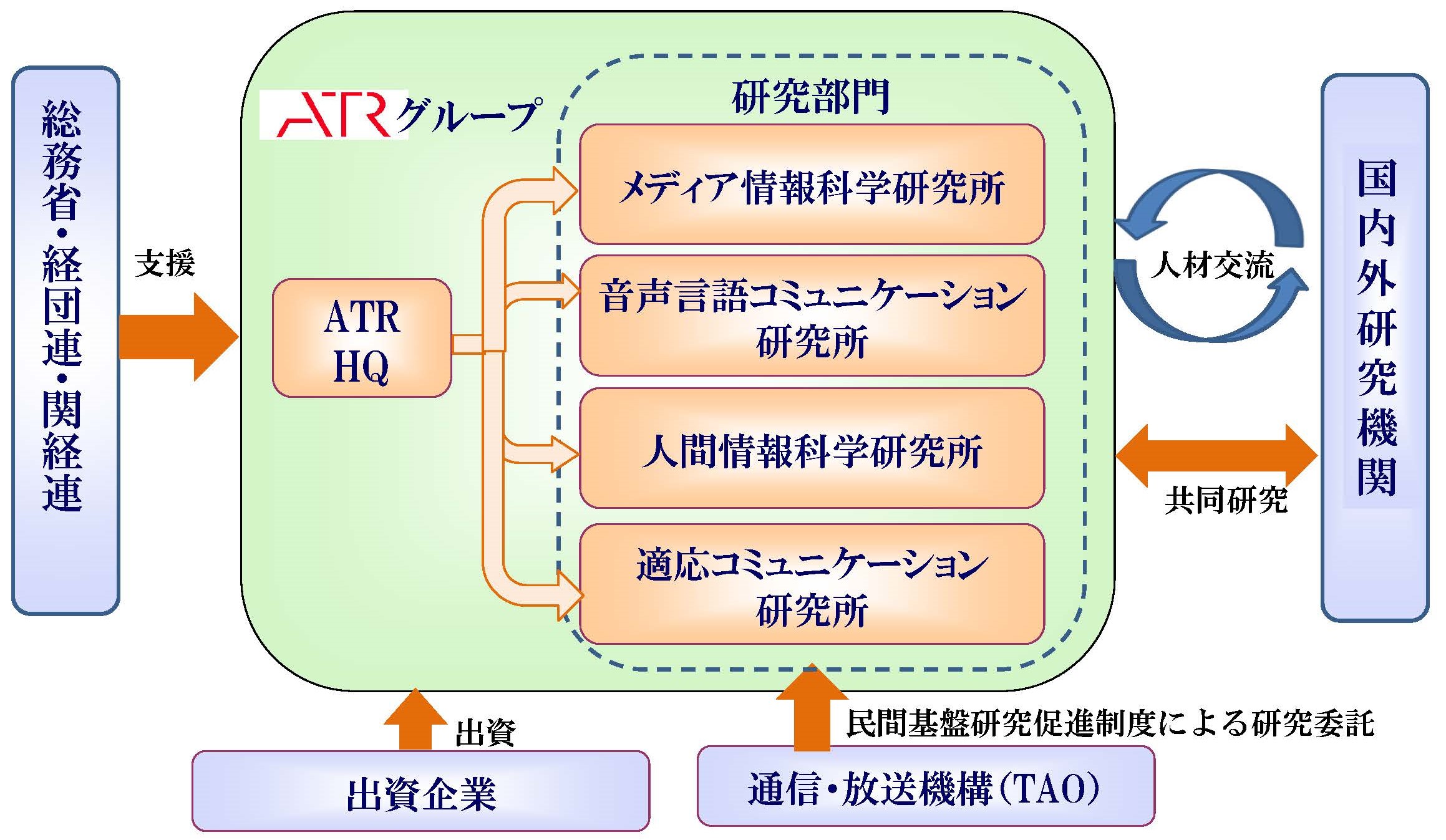
Figure 8. ATR's Organizational Structure under the Telecommunications Advancement Organization of Japan (TAO) (FY2002–FY2009)
Promoting a Multi-Funding Strategy through Diverse Research Funding
In the field of Brain Information Science, Mitsuo Kawato (currently Director General of ATR) was appointed in 1996 as the Research Director of the Exploratory Research for Advanced Technology (ERATO) program of the Japan Science and Technology Agency (JST). ERATO is a project-based research program in which internationally recognized researchers with outstanding scientific achievements and strong leadership are selected to direct time-limited, large-scale research projects. Under the Kawato Dynamic Brain Project, which continued through 2001, ATR achieved significant advances, including the development of unified computational models of learning in the cerebral cortex, basal ganglia, and cerebellum. To validate these theoretical models, ATR developed DB, a humanoid robot with 30 degrees of freedom, and successfully demonstrated a number of biologically inspired functions, including imitation learning, the vestibulo-ocular reflex, and smooth pursuit eye movements. Building upon the success of the ERATO project, ATR launched another major brain research initiative in 2004 under the JST International Cooperative Research Program (ICORP). As part of this project, ATR developed CBi, a full-scale humanoid robot standing 155 cm tall, weighing 85 kg, and equipped with 51 compliant joints. The project produced a number of world-leading achievements, including the successful demonstration of bipedal walking controlled by neural activity recorded from the cerebral cortex of monkeys. ATR researchers have continued to play leading roles in the ERATO program. In 2013, Takemasa Sato, Executive Director of ATR, was appointed Research Director of the Sato Live Prediction and Control Program in the field of life sciences. This was followed in 2014 by the appointment of Hiroshi Ishiguro, Executive Director of ATR, as Research Director of the Symbiotic Human–Robot Interaction Project. These projects have made significant contributions to Japan's leadership in life sciences, communication robotics, and other pioneering fields of science and technology. 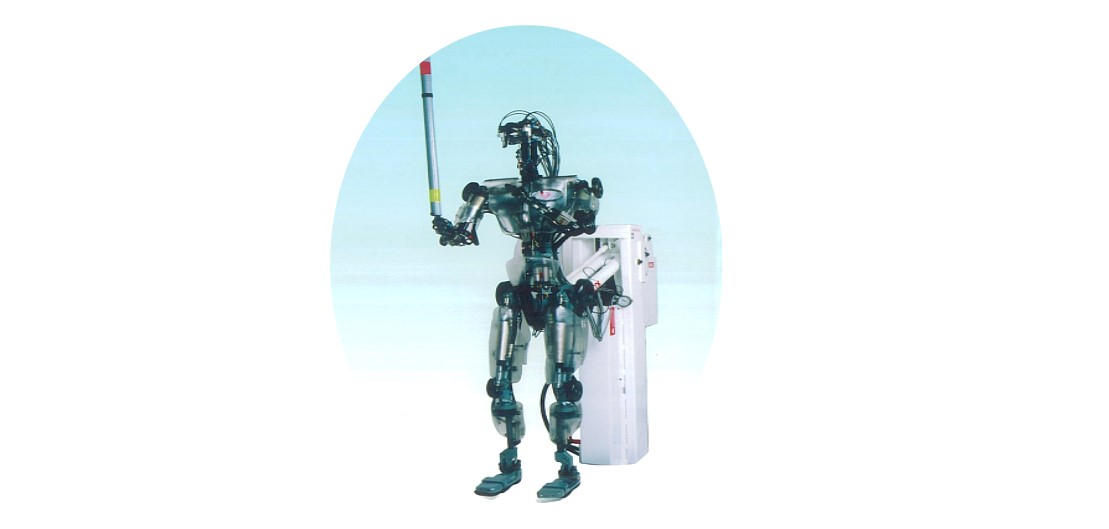
Humanoid Robots Developed under the ERATO Program
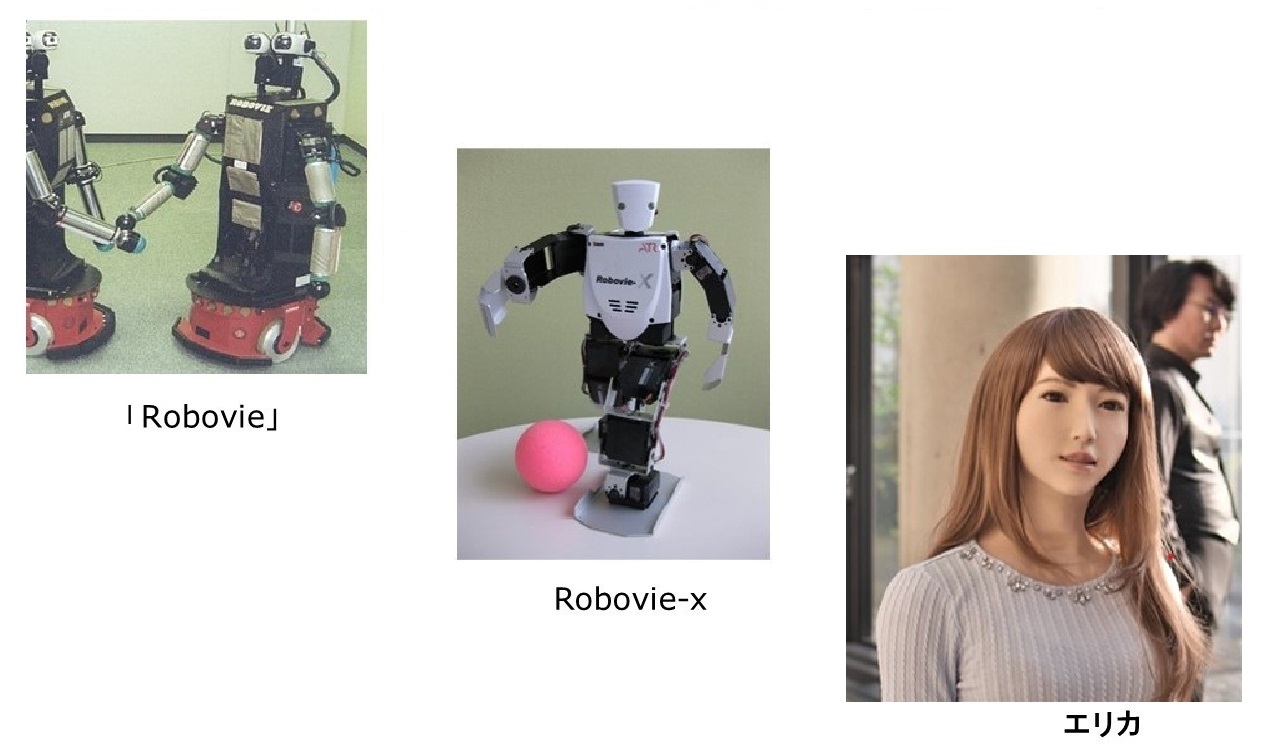
Examples of Humanoid Robots Developed at ATR
ATR was among the first research institutions in Japan to initiate research on life-support robots. In 1998, ATR developed the first robot in the Robovie series, designed to assist people in their daily lives.
In 2002, ATR, together with NTT, Toshiba, NEC, and other partners, was awarded a major project by the Ministry of Internal Affairs and Communications to develop network robots.
This was followed in fiscal 2009 by another large-scale national project on ubiquitous network robots.
Through these projects, ATR made significant contributions to the realization of practical robotic systems capable of supporting the daily lives of older adults and people with disabilities. These contributions included large-scale field trials conducted in real-world environments as well as activities toward international standardization. ATR also achieved a number of pioneering advances in the development of highly lifelike humanoid robots.
In the field of wireless communications, ATR has continuously promoted research and development since 2005 under the Japanese Government's *Radio Spectrum Usage Fee* program for Research and Development for Expanding Radio Spectrum Resources. Working in close collaboration with NTT Laboratories, KDDI Research, and other organizations, ATR has developed technologies for more efficient spectrum utilization together with the core technologies required to realize next-generation wireless communication systems.
In addition to these programs, ATR has actively conducted research through numerous competitive funding programs sponsored by the Ministry of Education, Culture, Sports, Science and Technology (MEXT), the Ministry of Economy, Trade and Industry (METI), the Ministry of the Environment, the Ministry of Health, Labour and Welfare (MHLW), the Cabinet Office, the Japan Science and Technology Agency (JST), the Japan Society for the Promotion of Science (JSPS), the New Energy and Industrial Technology Development Organization (NEDO), and many other public funding agencies, often in collaboration with universities and external research institutions.
ATR has also actively pursued collaborative research with private-sector companies. One notable example is its long-standing collaboration with Honda Research Institute Japan, through which ATR achieved the world's first demonstrations of Brain–Machine Interface (BMI) technology capable of controlling robots directly from human brain activity. Furthermore, as a mechanism for expanding ATR's accumulated research achievements into national-scale projects, NICT launched the Universal Communication Project in 2006. Under this initiative, researchers in brain information science, immersive communications, and speech translation continued their research activities. Based on the project's success, in 2009 more than 50 ATR researchers engaged in immersive communications and speech translation research and development transferred to NICT. While ATR regretted having to part with many outstanding researchers who had produced numerous significant achievements since its establishment and consequently reduce the scale of its research activities, it also welcomed the opportunity for these talented researchers and their excellent research accomplishments to flourish further within a national research institute expected to play an increasingly important role in the future.
In the field of brain information science, the Center for Information and Neural Networks (CiNET) was established in March 2010 as a joint research center of NICT and Osaka University. From ATR, more than a dozen leading researchers who had been engaged in brain information science under the Universal Communication Project transferred to CiNET in 2011 and 2013. CiNET was established as an interdisciplinary research center promoting collaboration among academia, industry, and government, bringing together researchers from medicine, engineering, information and communications, and many other fields. The center has continued to conduct research in close collaboration with ATR.
As a result of the changes in the environment surrounding ATR described above, the total amount of research funding declined substantially compared with the period under the former KTC investment scheme, placing ATR under more constrained financial conditions. Nevertheless, within these constraints, ATR has consistently produced world-class research and development achievements and continues to do so today.。
Commercialization of Research Achievements
Even for an organization dedicated to fundamental research, translating research into societal value is of paramount importance. From its early years, ATR has actively promoted the commercialization and dissemination of its research achievements. As its first commercialization initiative, ATR began marketing the speech database developed for research on automatic telephone interpretation in 1987. Subsequently, ATR established a dedicated Development Office to promote the commercialization and transfer of its technologies. In addition to the speech database, the office launched products such as the English listening training package ATR Hearing School. Recognizing the growing importance of technology transfer and collaboration with industrial partners, ATR reorganized the Development Office into the Technology Liaison Center in 2002. In addition to marketing speech and image databases, the Center promoted the commercialization of technologies developed at ATR, including WizardVoice, a speech synthesis software package, and accFace, a real-time facial feature detection software capable of detecting the eyes, nose, and mouth in real time.
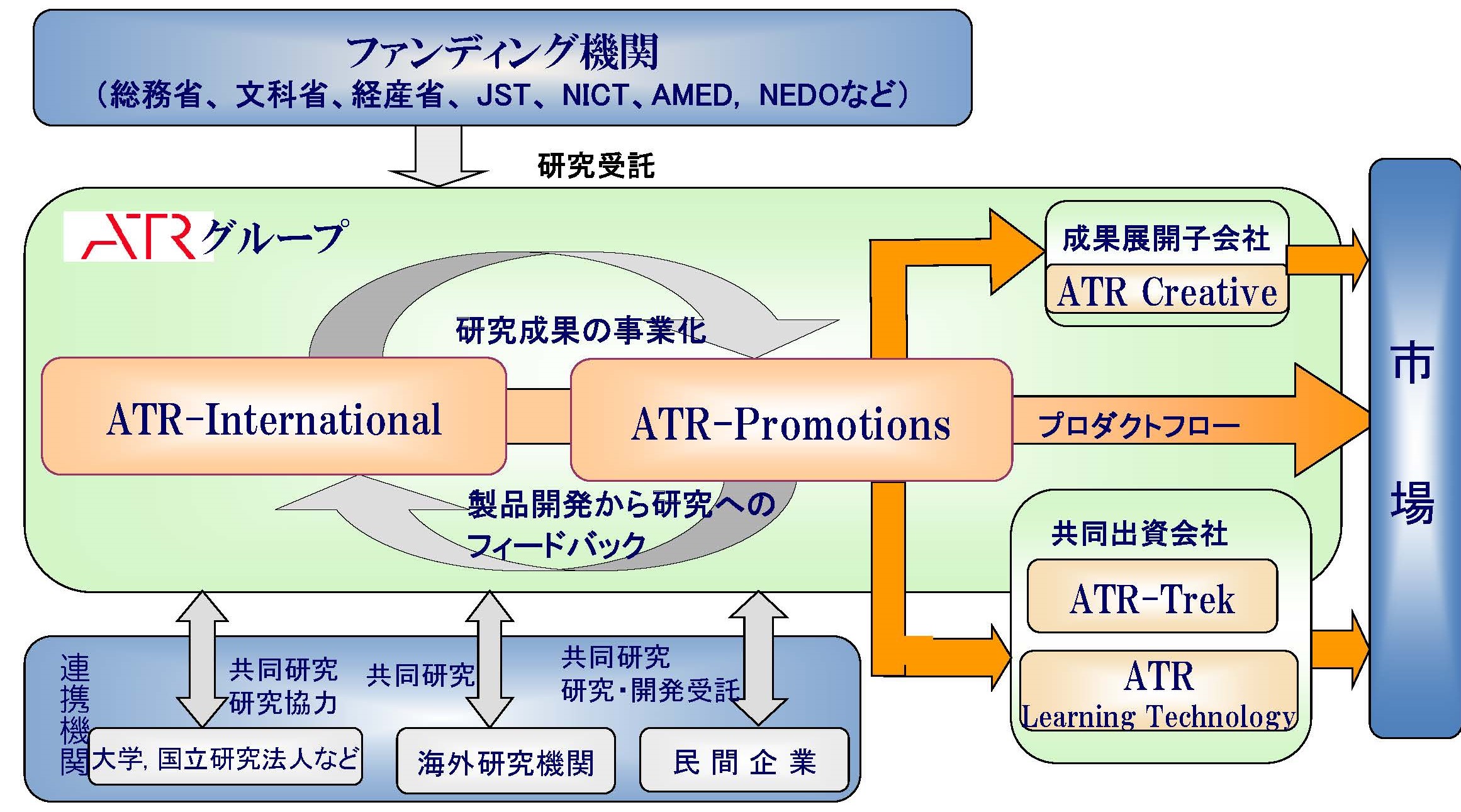
Figure 9. Business Development Scheme of the ATR Group
(FY2009)
In 2004, ATR formulated the Group Company Initiative as a strategic measure to further accelerate the commercialization of its research achievements. As the core company of this initiative, ATR-Promotions Inc. was established as a wholly owned subsidiary of ATR.
ATR-Promotions has since been actively engaged in technology transfer, new product development, product marketing, and the creation of new business opportunities based on ATR's technologies. In 2006, the Brain Activity Imaging Center, originally established within ATR in 2000, was incorporated into ATR-Promotions, where it continues to provide advanced support services for brain researchers.
ATR also actively promoted the establishment of venture companies dedicated to developing and marketing products based on ATR's research achievements. The first such company, ATR-Robotics Inc., was established in 2005 to commercialize Robovie, a robot developed from ATR's cutting-edge robotics technologies. In June 2012, the company was renamed ATR Creative Inc. In addition to marketing robotics-related products, it has expanded its business to include the development of map-related applications for smartphones and Android devices, as well as the provision of related services. Also in 2005, ATR established ATR-Lang Inc., a subsidiary responsible for speech technology transfer and the marketing of speech databases. In 2007, with capital participation from FueTrek Co., Ltd., a company specializing in mobile software development, ATR-Lang was renamed ATR-Trek Inc. The company has since continued to expand its business through the development and commercialization of speech translation and speech recognition technologies. In 2008, ATR established ATR Learning Technology Inc. as a joint venture with Uchida Yoko Co., Ltd., a leading provider in the educational market, to develop and market language-learning systems based on ATR's long-standing research in auditory and visual perception. Furthermore, in 2009, ATR established ATR-Sensetech Inc. to commercialize its driver skill assessment system developed from ATR's sensor technologies and data analysis technologies. Figures 10 and 11 illustrate the process through which ATR's research on speech translation technologies and foreign language learning systems—initiated at the time of ATR's establishment—evolved from fundamental research into successful commercial products.
Among these ATR subsidiaries and joint ventures established with partner companies, some have faced significant business challenges, and a few were ultimately forced to cease operations. Others, however, have continued to grow steadily. While these companies have not yet reached the point where they can generate sufficient returns to substantially support the parent company's research and development activities, ATR looks forward to their continued growth and future success. 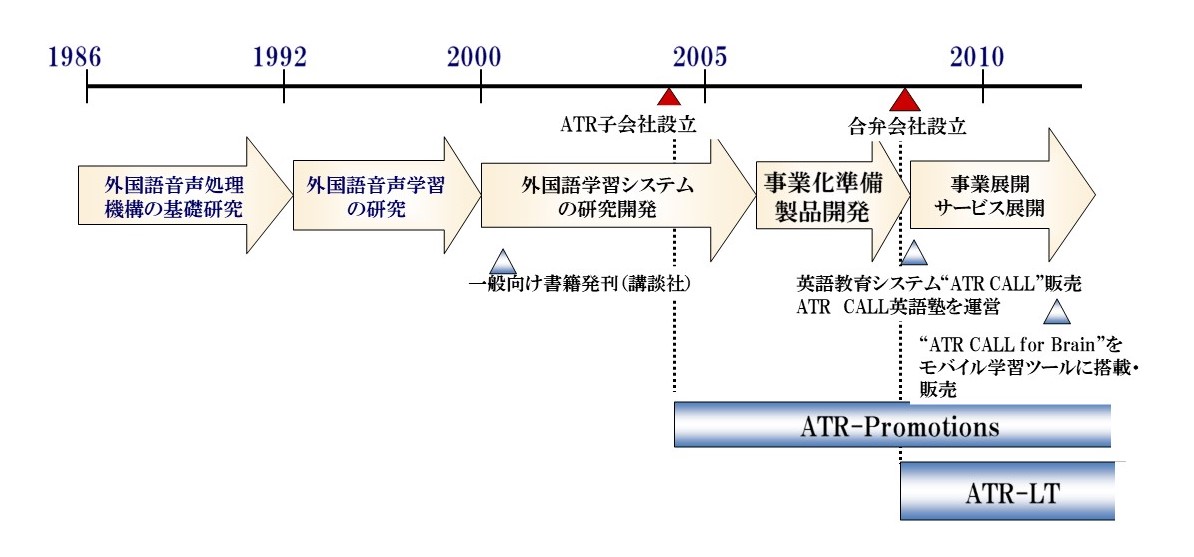
Figure 10. From Research and Development to Commercialization of Foreign Language Learning Systems
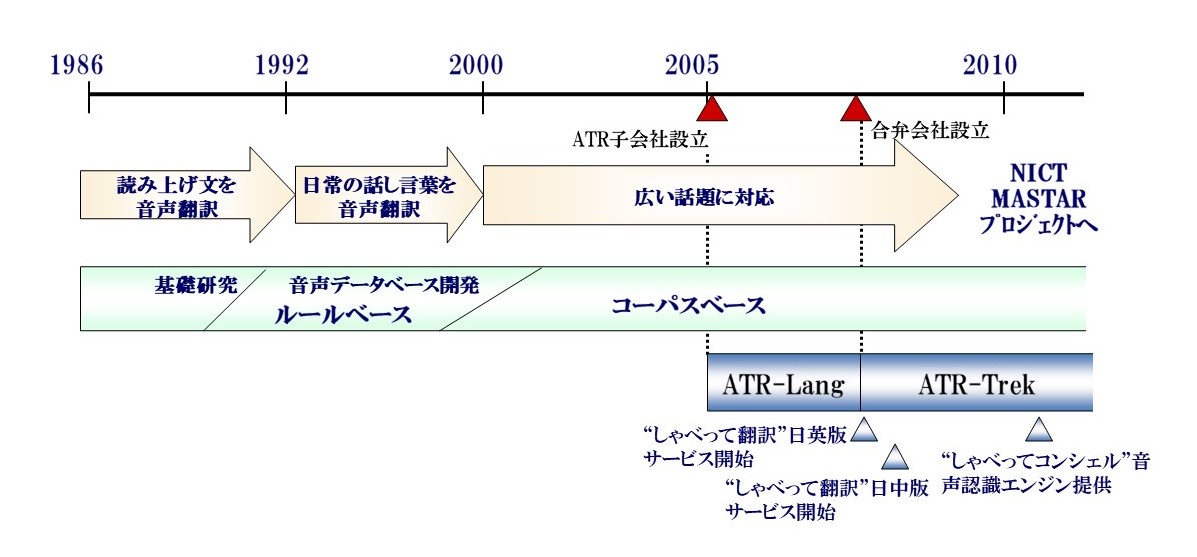
Figure 11. From Research and Development to Commercialization of ATR's Speech Translation Technologies
Initiatives to Accelerate Commercialization
To further accelerate the transfer of ATR's technologies to industry and strengthen collaboration with external research institutions and companies through external funding, ATR supported the establishment of the Keihanna ATR Fund (Keihanna Science City ATR Venture NVCC Investment Limited Partnership; committed capital of ¥4.7 billion) in February 2015. Through this fund, ATR began supporting technology commercialization and startup creation in partnership with venture capital investors. As of March 2021, the Fund had invested in 15 companies in fields including robotics, IT/IoT, brain science and artificial intelligence, and wireless communications, steadily achieving positive investment results.
In 2016, Keihanna Science City successfully applied for and was selected under a national funding program administered by the Japan Science and Technology Agency (JST) to promote collaboration among companies and research institutions for the creation of new industries. The program proposed by Keihanna Science City aimed to solve social challenges and stimulate economic growth by creating technologies that enrich people's lives through the integration of i-Brain (brain and human science technologies) with advanced ICT technologies such as artificial intelligence (AI), big data analytics, and the Internet of Things (IoT). Within this initiative, ATR played a central role in supporting commercialization. To establish Keihanna Science City as a hub for open innovation and real-world demonstration experiments, ATR strengthened collaboration with innovation centers in New York, Israel, Barcelona, Canada, India, and other regions, successfully creating new business opportunities through these international partnerships.
Although the JST-funded project, launched in fiscal year 2016, concluded in fiscal year 2019, its achievements were carried forward through the establishment of the Keihanna Research Complex Promotion Council. Under this framework, industry, academia, government, financial institutions, and local communities work together to promote advanced research and development, field demonstrations, commercialization, and human resource development in an integrated manner. Today, the Council maintains collaborative relationships with 543 organizations, including 206 overseas institutions, and continues its efforts to establish Keihanna Science City as a global hub for open innovation.
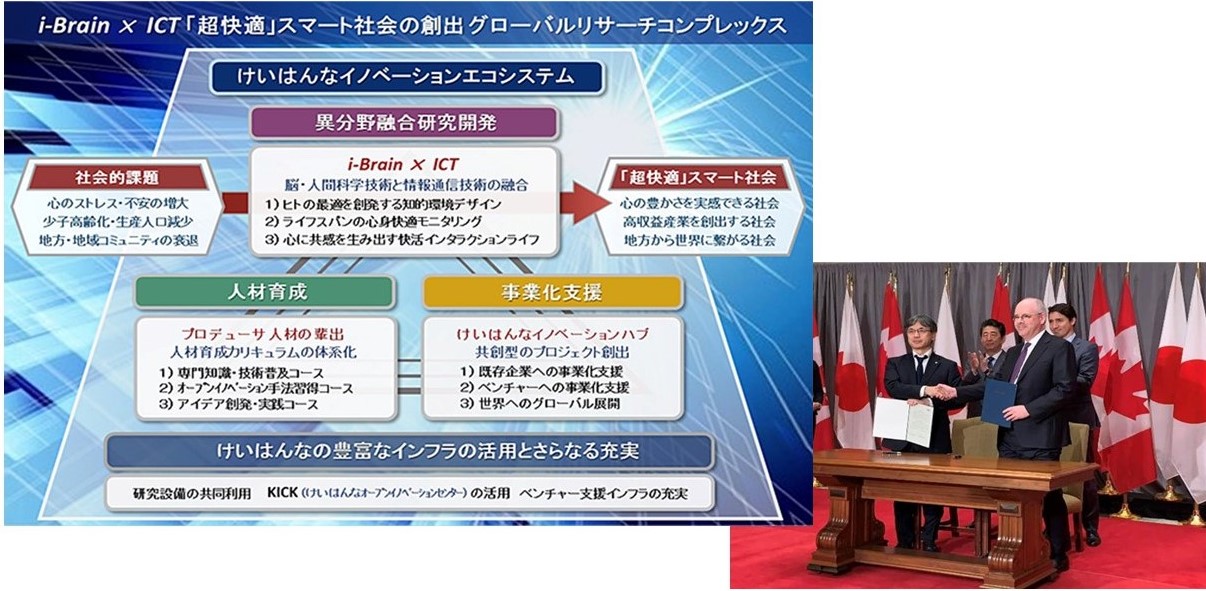
Figure 12. Overview of the Keihanna Research Complex Initiative and the Signing Ceremony in Canada Attended by the Prime Ministers of Japan and Canada
ATRは、Although ATR is dedicated to pioneering fundamental research, it is also a private corporation supported by its shareholders. Therefore, translating its advanced technologies into sustainable businesses is an integral part of its mission.
Figure 13 illustrates the evolution of ATR's technology commercialization strategy. As shown in the figure, ATR has actively promoted the establishment of subsidiaries and second-tier subsidiaries, the creation of joint ventures with companies offering strong technological and business synergies, investments in startup companies, and the introduction of external funding to accelerate the transfer of ATR's technologies to industry.
Although the revenue generated from these activities has not yet reached a level sufficient to fully support ATR's research activities, these commercialization efforts have continued to grow steadily.
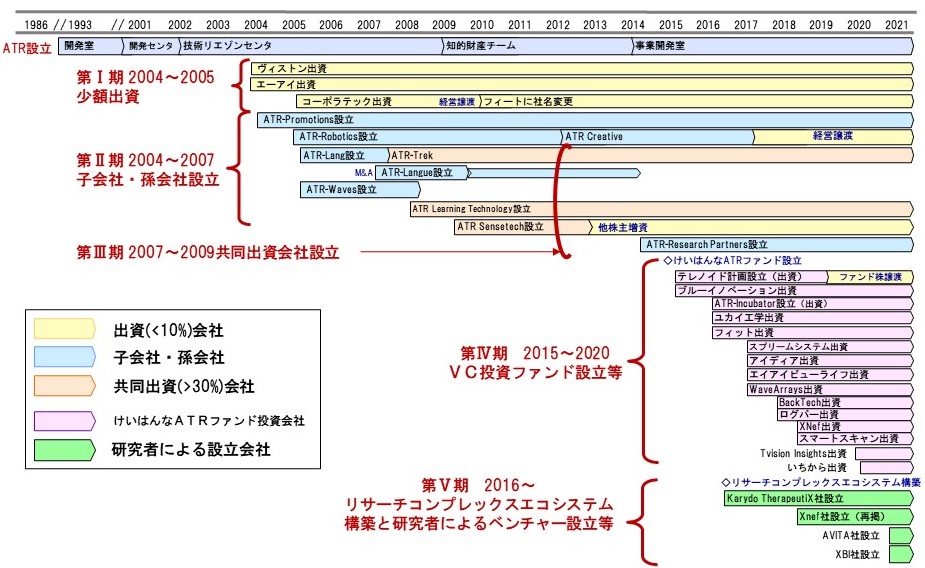
Figure 13. Evolution of ATR's Research Commercialization Activities
Establishing Centers of Excellence for Research and Development
Since its establishment, ATR has steadily expanded its research portfolio while continuously producing significant research achievements. In addition to its long-standing research in artificial intelligence, brain information science, communication robots, speech recognition and translation technologies, and wireless communications, ATR broadened its research activities to include life sciences in 2013. In particular, the fields of artificial intelligence and brain information science, which ATR has pursued since its founding in 1986, have in recent years become the focus of large-scale national research and development programs promoted by public research organizations and government-funded agencies. As one of the core Centers of Excellence (CoEs) in these fields, ATR has continued to conduct research in close collaboration with these organizations while serving as a central research hub.
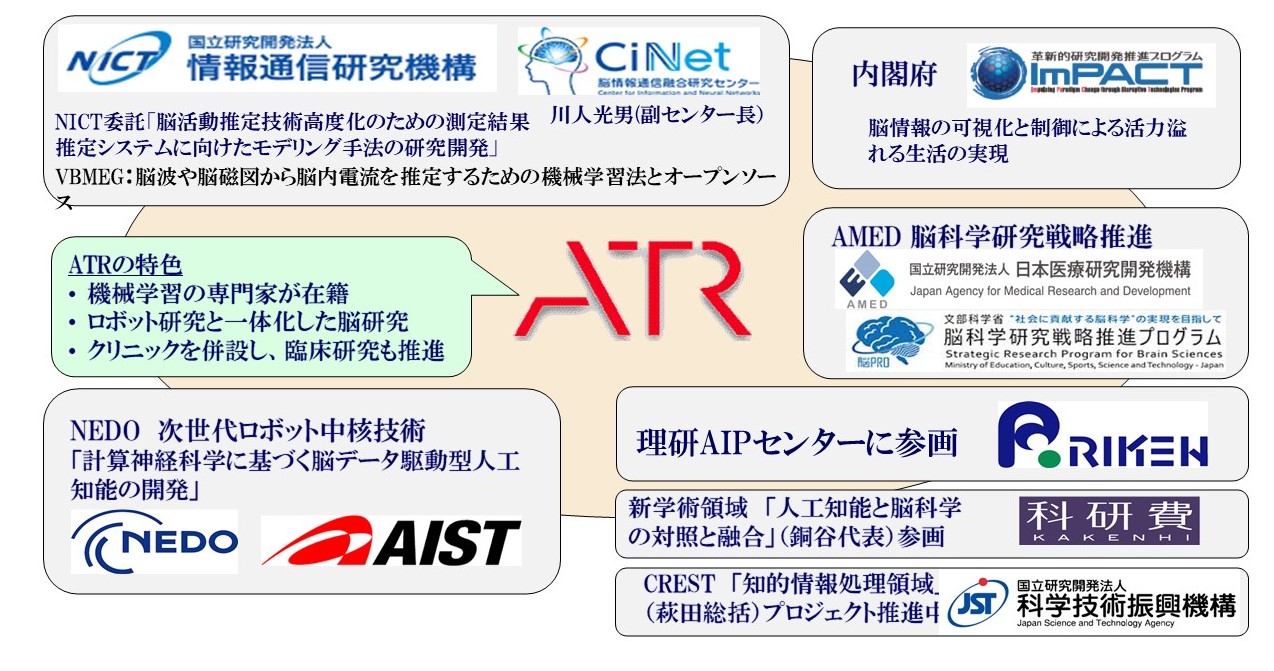
Figure 14. ATR as a Center of Excellence for Artificial Intelligence and Brain Information Science (as of 2018)
さらに、Furthermore, in the field of wireless communication systems, which ATR has pursued since its establishment, not only the development of new technologies but also the cultivation of highly skilled researchers and engineers has become an important national priority.
In 2019, Japan's Ministry of Internal Affairs and Communications (MIC) launched a public call for proposals under the Research and Human Resource Development Program for Spectrum Creation Technologies toward Strengthening Radio Utilization.
This large-scale program aimed to establish an open experimental research environment and create a core research hub, known as the Radio Center of Excellence (Radio CoE), for researchers in the wireless communications field. ATR, together with Kyoto University, submitted a joint proposal, which was selected in September 2019.
The four-year program promotes five advanced research projects on technologies supporting flexible and resilient spectrum utilization while fostering highly motivated researchers and engineers in wireless communications.
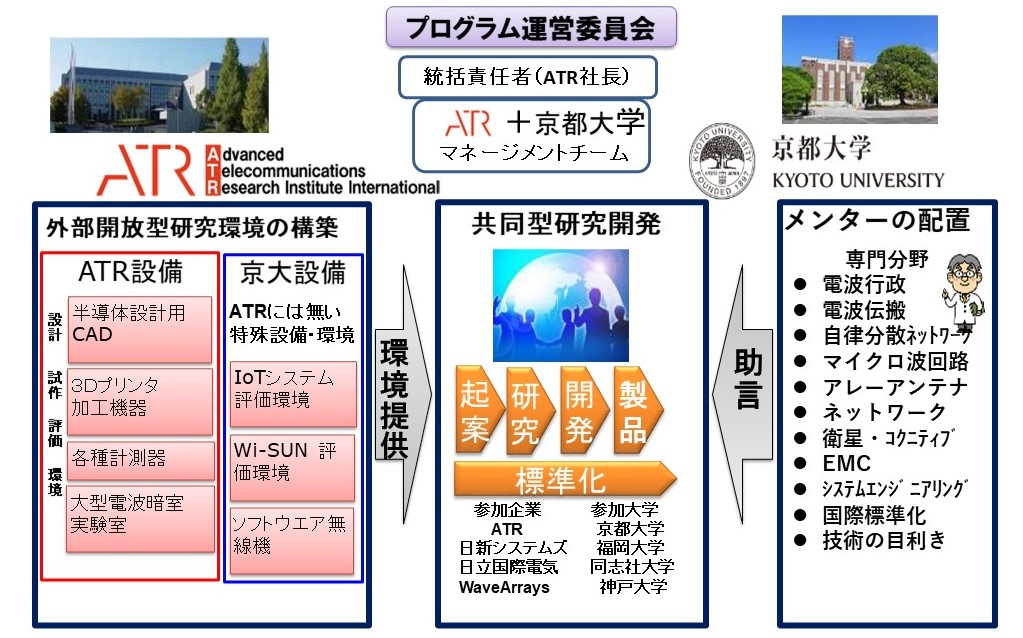
Figure 15. Human Resource Development and Collaborative R&D Framework of the Radio Center of Excellence (Radio CoE)
Looking Back on 35 Years
Looking back over the 35 years since its establishment, the environment surrounding ATR has undergone dramatic changes. During its first fifteen years, supported by generous research funding under the KTC investment scheme and subsequently by the TAO Basic Research Promotion Program, ATR produced numerous world-leading research achievements in information and communications technologies, including artificial intelligence and speech translation, while generating a wealth of innovative research seeds for future development. Although the funding framework based on a specific government-affiliated funding agency later came to an end, ATR successfully continued and expanded its research activities by securing competitive research funding from a wide range of funding organizations. Its commercialization activities have also continued to grow steadily, although they have not yet generated sufficient revenue to fully support ATR's research operations. ATR's continued success over the past 35 years has been made possible by the support and dedication of many individuals and organizations. It owes much to the generous understanding and continued support of its shareholders, as well as to the outstanding research achievements built up by its predecessors. Since its establishment, ATR has attracted outstanding researchers from Japan and around the world. Working together in a spirit of mutual inspiration and healthy competition, they have produced numerous world-class research achievements. At the same time, ATR has educated and nurtured many highly skilled professionals who now play leading roles in universities, public research organizations, and industry. Through these people, ATR has also made significant contributions to building extensive human networks both within Japan and internationally. With deep gratitude to all those who have supported and guided ATR throughout its history, we are committed to passing on the ATR DNA—its spirit of pioneering research and innovation—to the next generation.
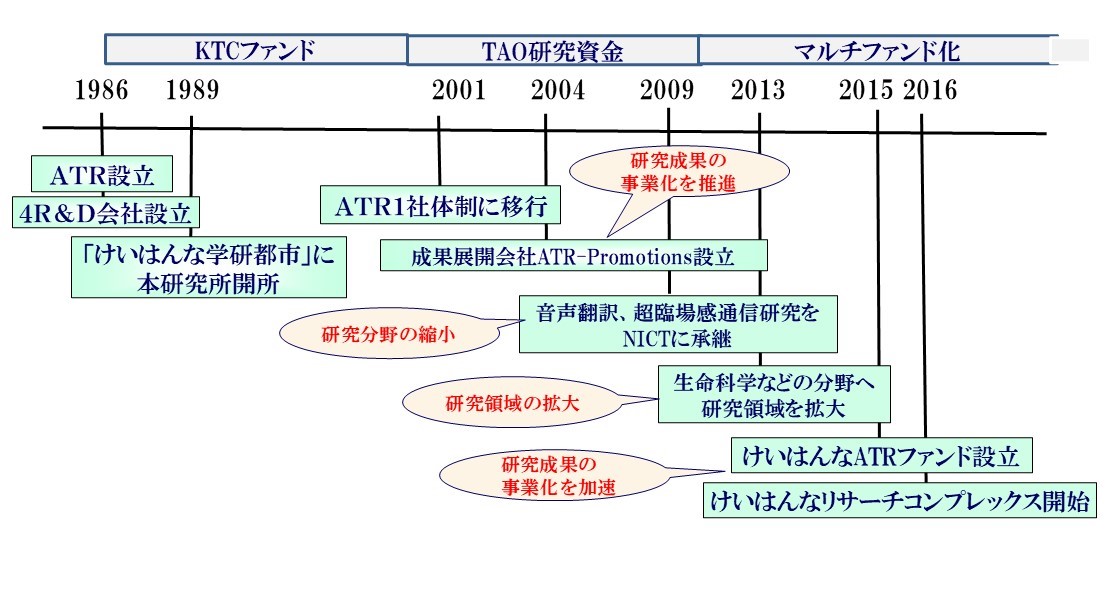
Figure 16. Major Milestones in ATR's History Since Its Establishment
ATR was established in 1986 with the broad support and dedicated efforts of industry, academia, and government, and this year marks its 35th anniversary.
Because of the circumstances of its establishment, ATR began as a stock company. Since then, it has continued its research activities as a unique private-sector research institute without precedent, pursuing ambitious basic and pioneering research that would be difficult for ordinary private companies to undertake. The original investment scheme of the Japan Key Technology Center came to an end in fiscal 2000, creating a severe management environment and even placing ATR's survival at risk. Nevertheless, thanks to the warm support and cooperation of all those involved, as well as the efforts of our outstanding predecessors and researchers, ATR has steadily produced research achievements and continues to do so today. Progress is also being made in the commercialization of research outcomes. Although ATR-related companies have not yet grown into businesses capable of fully supporting the Group, they are making steady progress.
In 1985, the Public Telecommunications Act, which had governed Japan's telecommunications business, was abolished, and Nippon Telegraph and Telephone Public Corporation was privatized. Using the government's shareholding in the newly established NTT, equivalent to one-third of all shares, the Japan Key Technology Center (KTC) was established as an organization to support basic and advanced research through private-sector initiative.
Meanwhile, plans to build Kansai Science City in the hilly area spanning Kyoto, Osaka, and Nara were being advanced, primarily by the Kansai Economic Federation. Within this context, the idea emerged of establishing an advanced basic research institute in telecommunications as one of the city's core facilities, with investment from KTC.
To give concrete form to the plan for this basic technology research institute, the Preparatory Study Group for the Establishment of a Telecommunications Basic Technology Research Institute was established in March 1985, as shown in Figure 1. The group consisted of representatives from the Ministry of Posts and Telecommunications, NTT, major Kansai Economic Federation member companies, universities, and other organizations, and was chaired by Nobuaki Kumagai, President of Osaka University. In October 1985, based on the findings of this preparatory study group, the Preparatory Committee for the Establishment of the Advanced Telecommunications Research Institute International was formed to apply to KTC for investment. The committee was chaired by Yoshihiro Inayama, Chairman of Keidanren, with Hosai Hyuga, Chairman of the Kansai Economic Federation, serving as Vice Chair. Under the committee, a Technical Committee, chaired by Professor Makoto Nagao of Kyoto University, and a secretariat were established to examine concrete matters such as the research promotion structure and master plan.
Figure 1. Background Leading to the Establishment of ATR
"The concept is to establish this institute as a stock company with investment and loans from the Japan Key Technology Center. In principle, a stock company exists to pursue profit and is not an appropriate form for an institute whose primary purpose is basic research. However, since incorporation as a stock company is a condition for receiving investment from the Center, we are prepared, as a concession, to accept the stock company format."
Furthermore, KTC's investment program was funded through the Special Account for Industrial Investment. Research funding was capped at 70 percent, and the investment period was limited to seven years, or ten years in specially approved cases. Investment in research and development companies by KTC and the private sector continued until 2001.
Purpose and Basic Principles of ATR's Establishment
Based on the conclusions reached by the Preparatory Committee, and in light of the purpose for which ATR was to be established, the four items shown in Figure 2 were set forth as ATR's Basic Principles. The first principle, when the term telecommunications is understood today as information and communications technology (ICT), directly corresponds to the fields of research and development that ATR has pursued throughout the 35 years since its founding. With respect to the second principle, many outstanding researchers from private-sector laboratories, public research institutions, and other organizations have joined ATR through secondment and related arrangements. Through close collaboration with universities and other external research institutions, ATR has conducted research activities with the aim of becoming a Center of Excellence (COE), not only in Japan but also internationally. ATR may be regarded as one of the earliest private-sector research institutions to adopt a framework functioning as an open innovation center. Regarding the third principle, contribution to the international community, ATR has sought to contribute to the world through advanced research achievements while actively promoting research and personnel exchanges with leading overseas research institutions and universities since its establishment. ATR has maintained a highly international research environment, with foreign researchers consistently accounting for more than 20 percent of all researchers. Since its establishment, ATR has hosted a cumulative total of 2,786 foreign researchers from 68 countries. In this sense, ATR can be seen as a forerunner of the globalization that came to be widely emphasized from the 2000s onward. The fourth principle, "playing a central role in Kansai Science City," represents an inherent responsibility for ATR, which was established as the first research institution in the city through the dedicated efforts and support of the Kansai Economic Federation and many others. In this respect, ATR advocated 35 years ago an approach comparable to what is now called ESG management, emphasizing Environment, Social, and Governance, concepts that have attracted growing attention in Japan in recent years.
In this way, from its founding to the present day, ATR has conducted its corporate operations and research and development activities in accordance with the Basic Principles established at the time of its creation.
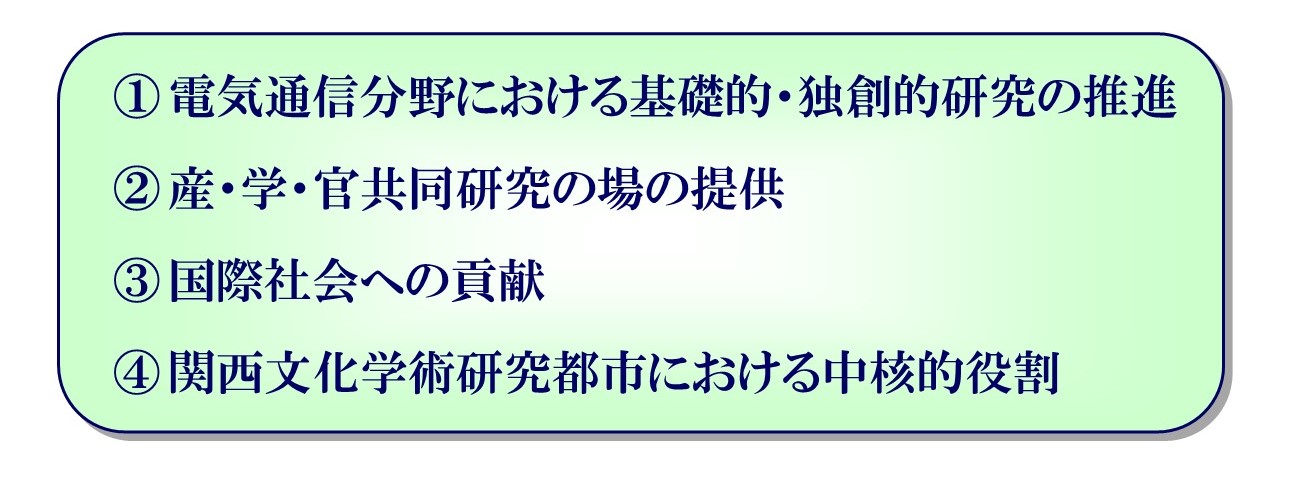
Figure 2. ATR's Basic Principles
Establishment of ATR International and the Four R&D Companies
The Technical Committee established under the Preparatory Committee, together with its technical secretariat, took the lead in formulating the master plan. As a result, it was concluded that the following four research themes would be appropriate for ATR to pursue.
・Basic research on intelligent communication systems
・Basic research on automatic interpreting telephony
・Human-science research on auditory and visual perception mechanisms
・Basic research on optical and radio communications
Figure 2. ATR's Basic Principles
Establishment of ATR International and the Four R&D Companies
The Technical Committee established under the Preparatory Committee, together with its technical secretariat, took the lead in formulating the master plan. As a result, it was concluded that the following four research themes would be appropriate for ATR to pursue.
・Basic research on intelligent communication systems
・Basic research on automatic interpreting telephony
・Human-science research on auditory and visual perception mechanisms
・Basic research on optical and radio communications
Initially, the plan was to conduct these research activities within a single organization. Under the KTC investment scheme, however, a ceiling was placed on the amount of investment available. ATR therefore began with a five-company structure: four R&D companies, each corresponding to one of the research projects, and ATR-I, a research-promotion company that provided personnel, facilities, and financial support to the four R&D companies. ATR-I* was established in March 1986, and the four R&D companies were established in April of the same year. Until the present ATR research facilities were completed in Keihanna Science City three years later, in April 1989, the operations and research activities of the five companies were carried out in the newly built Twin 21 Building near Osaka Castle.
(*ATR-I: ATR International, Advanced Telecommunications Research Institute International)
ATR's Founding General Meeting
Commemorative Photograph at the Entrance Ceremony
Figure 3. ATR-I and the Four R&D Companies under the KTC Scheme
After operating from temporary research facilities in Osaka for three years, ATR officially opened its current research laboratories in April 1989 as the first research facility in Kansai Science City (Keihanna Science City). At the time of construction, the site was little more than forested hills with few proper roads. Over a period of approximately two years, the campus was developed into a state-of-the-art research facility designed to symbolize the future of the first research institute in Keihanna Science City. Particular care was taken to ensure that the laboratories would serve as a model for the many research institutions planned to follow. The campus was designed to provide an outstanding research environment by promoting comfortable working conditions, encouraging interaction and communication among researchers, and preserving the area's rich natural surroundings.
Panoramic View of the ATR Keihanna Research Laboratories during Construction
Figure 4. Examples of Research Support Tools
The four research themes selected at ATR's inception were all visionary fields with the potential to become the seeds of future technological innovation, grow into core technologies, and ultimately generate transformative breakthroughs. Outstanding researchers and engineers with expertise in these four fields were recruited from NTT laboratories, universities, public research institutes, and private companies, and research activities began under the four R&D companies. As illustrated in Figure 5, the Communication Systems Research Laboratories conducted research on immersive communications and automatic software generation technologies. The Interpreting Telephony Research Laboratories focused on speech recognition, machine translation, and speech synthesis technologies. The Optical and Radio Communications Research Laboratories pursued forward-looking research topics, including mobile communications technologies aimed at realizing wristwatch-sized mobile telephones, as well as optical inter-satellite communication systems using laser links between satellites. Meanwhile, the Auditory and Visual Perception Research Laboratories carried out fundamental research on the mechanisms of human auditory and visual information processing, while also conducting pioneering studies in artificial intelligence and neural networks. During the mid-1980s, artificial intelligence experienced its second major wave of worldwide interest. Researchers increasingly recognized that learning from the structure and function of the human brain could provide powerful approaches for solving a wide range of complex problems. As a result, AI research accelerated rapidly both in Japan and internationally. From its inception, ATR identified neural networks as one of its highest-priority research areas. This long-term commitment led to internationally recognized achievements in speech and language processing, image processing, robotics, machine learning, and many other fields, establishing ATR as one of the world's leading research centers in neural network research.
Figure 5. Major Research Themes of the Four R&D Companie
Examples of ATR's Early Research Achievements
Figure 6. Simulating the Evolution of Hardware Using an Artificial Life Approach
KUnder the KTC investment program, research projects were funded for a maximum of seven years, or ten years in exceptional cases. Consequently, the Interpreting Telephony Research Laboratories and the Auditory and Visual Perception Research Laboratories completed their original missions in 1992, while the Communication Systems Research Laboratories and the Optical and Radio Communications Research Laboratories concluded their activities in 1995.
Figure 7. Examples of International Recognition of ATR's Research
To further develop the research achievements of these four laboratories, ATR established four successor research laboratories: the Human Information Processing Research Laboratories, the Spoken Language Translation Research Laboratories, the Media Integration & Communications Research Laboratories, and the Adaptive Communications Research Laboratories. Research activities under this four-company R&D structure continued until the KTC investment program came to an end in 2001.
The research promotion program administered by the Telecommunications Advancement Organization of Japan (TAO), like the earlier investment program of the Japan Key Technology Center (KTC), was financed through the Japanese Government's Special Account for Industrial Investment. Under this program, research projects were funded for a fixed period of five years and were completed in stages, with all projects concluding by the end of fiscal year 2009. As a private corporation, the ideal model for ATR was to sustain its operations through revenues generated from intellectual property licensing, technology transfer, and the commercialization of its technologies. In reality, however, these revenue streams alone were insufficient to support the institute's long-term research activities. Securing new sources of research funding therefore became an urgent priority in order to preserve, expand, and further develop ATR Research Results. As it became increasingly difficult to rely on a single funding organization, ATR adopted a multi-funding strategy, actively competing for research grants from a broad range of public funding agencies. By successfully obtaining competitive research funding from multiple sources, ATR established a more diversified and sustainable financial foundation for its research activities.
Figure 8. ATR's Organizational Structure under the Telecommunications Advancement Organization of Japan (TAO) (FY2002–FY2009)
In the field of Brain Information Science, Mitsuo Kawato (currently Director General of ATR) was appointed in 1996 as the Research Director of the Exploratory Research for Advanced Technology (ERATO) program of the Japan Science and Technology Agency (JST). ERATO is a project-based research program in which internationally recognized researchers with outstanding scientific achievements and strong leadership are selected to direct time-limited, large-scale research projects. Under the Kawato Dynamic Brain Project, which continued through 2001, ATR achieved significant advances, including the development of unified computational models of learning in the cerebral cortex, basal ganglia, and cerebellum. To validate these theoretical models, ATR developed DB, a humanoid robot with 30 degrees of freedom, and successfully demonstrated a number of biologically inspired functions, including imitation learning, the vestibulo-ocular reflex, and smooth pursuit eye movements. Building upon the success of the ERATO project, ATR launched another major brain research initiative in 2004 under the JST International Cooperative Research Program (ICORP). As part of this project, ATR developed CBi, a full-scale humanoid robot standing 155 cm tall, weighing 85 kg, and equipped with 51 compliant joints. The project produced a number of world-leading achievements, including the successful demonstration of bipedal walking controlled by neural activity recorded from the cerebral cortex of monkeys. ATR researchers have continued to play leading roles in the ERATO program. In 2013, Takemasa Sato, Executive Director of ATR, was appointed Research Director of the Sato Live Prediction and Control Program in the field of life sciences. This was followed in 2014 by the appointment of Hiroshi Ishiguro, Executive Director of ATR, as Research Director of the Symbiotic Human–Robot Interaction Project. These projects have made significant contributions to Japan's leadership in life sciences, communication robotics, and other pioneering fields of science and technology.
Humanoid Robots Developed under the ERATO Program
Examples of Humanoid Robots Developed at ATR
In the field of wireless communications, ATR has continuously promoted research and development since 2005 under the Japanese Government's *Radio Spectrum Usage Fee* program for Research and Development for Expanding Radio Spectrum Resources. Working in close collaboration with NTT Laboratories, KDDI Research, and other organizations, ATR has developed technologies for more efficient spectrum utilization together with the core technologies required to realize next-generation wireless communication systems.
In addition to these programs, ATR has actively conducted research through numerous competitive funding programs sponsored by the Ministry of Education, Culture, Sports, Science and Technology (MEXT), the Ministry of Economy, Trade and Industry (METI), the Ministry of the Environment, the Ministry of Health, Labour and Welfare (MHLW), the Cabinet Office, the Japan Science and Technology Agency (JST), the Japan Society for the Promotion of Science (JSPS), the New Energy and Industrial Technology Development Organization (NEDO), and many other public funding agencies, often in collaboration with universities and external research institutions.
ATR has also actively pursued collaborative research with private-sector companies. One notable example is its long-standing collaboration with Honda Research Institute Japan, through which ATR achieved the world's first demonstrations of Brain–Machine Interface (BMI) technology capable of controlling robots directly from human brain activity. Furthermore, as a mechanism for expanding ATR's accumulated research achievements into national-scale projects, NICT launched the Universal Communication Project in 2006. Under this initiative, researchers in brain information science, immersive communications, and speech translation continued their research activities. Based on the project's success, in 2009 more than 50 ATR researchers engaged in immersive communications and speech translation research and development transferred to NICT. While ATR regretted having to part with many outstanding researchers who had produced numerous significant achievements since its establishment and consequently reduce the scale of its research activities, it also welcomed the opportunity for these talented researchers and their excellent research accomplishments to flourish further within a national research institute expected to play an increasingly important role in the future.
In the field of brain information science, the Center for Information and Neural Networks (CiNET) was established in March 2010 as a joint research center of NICT and Osaka University. From ATR, more than a dozen leading researchers who had been engaged in brain information science under the Universal Communication Project transferred to CiNET in 2011 and 2013. CiNET was established as an interdisciplinary research center promoting collaboration among academia, industry, and government, bringing together researchers from medicine, engineering, information and communications, and many other fields. The center has continued to conduct research in close collaboration with ATR.
As a result of the changes in the environment surrounding ATR described above, the total amount of research funding declined substantially compared with the period under the former KTC investment scheme, placing ATR under more constrained financial conditions. Nevertheless, within these constraints, ATR has consistently produced world-class research and development achievements and continues to do so today.。
Commercialization of Research Achievements
Even for an organization dedicated to fundamental research, translating research into societal value is of paramount importance. From its early years, ATR has actively promoted the commercialization and dissemination of its research achievements. As its first commercialization initiative, ATR began marketing the speech database developed for research on automatic telephone interpretation in 1987. Subsequently, ATR established a dedicated Development Office to promote the commercialization and transfer of its technologies. In addition to the speech database, the office launched products such as the English listening training package ATR Hearing School. Recognizing the growing importance of technology transfer and collaboration with industrial partners, ATR reorganized the Development Office into the Technology Liaison Center in 2002. In addition to marketing speech and image databases, the Center promoted the commercialization of technologies developed at ATR, including WizardVoice, a speech synthesis software package, and accFace, a real-time facial feature detection software capable of detecting the eyes, nose, and mouth in real time.
Figure 9. Business Development Scheme of the ATR Group
(FY2009)
ATR also actively promoted the establishment of venture companies dedicated to developing and marketing products based on ATR's research achievements. The first such company, ATR-Robotics Inc., was established in 2005 to commercialize Robovie, a robot developed from ATR's cutting-edge robotics technologies. In June 2012, the company was renamed ATR Creative Inc. In addition to marketing robotics-related products, it has expanded its business to include the development of map-related applications for smartphones and Android devices, as well as the provision of related services. Also in 2005, ATR established ATR-Lang Inc., a subsidiary responsible for speech technology transfer and the marketing of speech databases. In 2007, with capital participation from FueTrek Co., Ltd., a company specializing in mobile software development, ATR-Lang was renamed ATR-Trek Inc. The company has since continued to expand its business through the development and commercialization of speech translation and speech recognition technologies. In 2008, ATR established ATR Learning Technology Inc. as a joint venture with Uchida Yoko Co., Ltd., a leading provider in the educational market, to develop and market language-learning systems based on ATR's long-standing research in auditory and visual perception. Furthermore, in 2009, ATR established ATR-Sensetech Inc. to commercialize its driver skill assessment system developed from ATR's sensor technologies and data analysis technologies. Figures 10 and 11 illustrate the process through which ATR's research on speech translation technologies and foreign language learning systems—initiated at the time of ATR's establishment—evolved from fundamental research into successful commercial products.
Among these ATR subsidiaries and joint ventures established with partner companies, some have faced significant business challenges, and a few were ultimately forced to cease operations. Others, however, have continued to grow steadily. While these companies have not yet reached the point where they can generate sufficient returns to substantially support the parent company's research and development activities, ATR looks forward to their continued growth and future success.
Figure 10. From Research and Development to Commercialization of Foreign Language Learning Systems
Figure 11. From Research and Development to Commercialization of ATR's Speech Translation Technologies
To further accelerate the transfer of ATR's technologies to industry and strengthen collaboration with external research institutions and companies through external funding, ATR supported the establishment of the Keihanna ATR Fund (Keihanna Science City ATR Venture NVCC Investment Limited Partnership; committed capital of ¥4.7 billion) in February 2015. Through this fund, ATR began supporting technology commercialization and startup creation in partnership with venture capital investors. As of March 2021, the Fund had invested in 15 companies in fields including robotics, IT/IoT, brain science and artificial intelligence, and wireless communications, steadily achieving positive investment results.
In 2016, Keihanna Science City successfully applied for and was selected under a national funding program administered by the Japan Science and Technology Agency (JST) to promote collaboration among companies and research institutions for the creation of new industries. The program proposed by Keihanna Science City aimed to solve social challenges and stimulate economic growth by creating technologies that enrich people's lives through the integration of i-Brain (brain and human science technologies) with advanced ICT technologies such as artificial intelligence (AI), big data analytics, and the Internet of Things (IoT). Within this initiative, ATR played a central role in supporting commercialization. To establish Keihanna Science City as a hub for open innovation and real-world demonstration experiments, ATR strengthened collaboration with innovation centers in New York, Israel, Barcelona, Canada, India, and other regions, successfully creating new business opportunities through these international partnerships.
Although the JST-funded project, launched in fiscal year 2016, concluded in fiscal year 2019, its achievements were carried forward through the establishment of the Keihanna Research Complex Promotion Council. Under this framework, industry, academia, government, financial institutions, and local communities work together to promote advanced research and development, field demonstrations, commercialization, and human resource development in an integrated manner. Today, the Council maintains collaborative relationships with 543 organizations, including 206 overseas institutions, and continues its efforts to establish Keihanna Science City as a global hub for open innovation.
Figure 12. Overview of the Keihanna Research Complex Initiative and the Signing Ceremony in Canada Attended by the Prime Ministers of Japan and Canada
Figure 13. Evolution of ATR's Research Commercialization Activities
Since its establishment, ATR has steadily expanded its research portfolio while continuously producing significant research achievements. In addition to its long-standing research in artificial intelligence, brain information science, communication robots, speech recognition and translation technologies, and wireless communications, ATR broadened its research activities to include life sciences in 2013. In particular, the fields of artificial intelligence and brain information science, which ATR has pursued since its founding in 1986, have in recent years become the focus of large-scale national research and development programs promoted by public research organizations and government-funded agencies. As one of the core Centers of Excellence (CoEs) in these fields, ATR has continued to conduct research in close collaboration with these organizations while serving as a central research hub.
Figure 14. ATR as a Center of Excellence for Artificial Intelligence and Brain Information Science (as of 2018)
Figure 15. Human Resource Development and Collaborative R&D Framework of the Radio Center of Excellence (Radio CoE)
Looking back over the 35 years since its establishment, the environment surrounding ATR has undergone dramatic changes. During its first fifteen years, supported by generous research funding under the KTC investment scheme and subsequently by the TAO Basic Research Promotion Program, ATR produced numerous world-leading research achievements in information and communications technologies, including artificial intelligence and speech translation, while generating a wealth of innovative research seeds for future development. Although the funding framework based on a specific government-affiliated funding agency later came to an end, ATR successfully continued and expanded its research activities by securing competitive research funding from a wide range of funding organizations. Its commercialization activities have also continued to grow steadily, although they have not yet generated sufficient revenue to fully support ATR's research operations. ATR's continued success over the past 35 years has been made possible by the support and dedication of many individuals and organizations. It owes much to the generous understanding and continued support of its shareholders, as well as to the outstanding research achievements built up by its predecessors. Since its establishment, ATR has attracted outstanding researchers from Japan and around the world. Working together in a spirit of mutual inspiration and healthy competition, they have produced numerous world-class research achievements. At the same time, ATR has educated and nurtured many highly skilled professionals who now play leading roles in universities, public research organizations, and industry. Through these people, ATR has also made significant contributions to building extensive human networks both within Japan and internationally. With deep gratitude to all those who have supported and guided ATR throughout its history, we are committed to passing on the ATR DNA—its spirit of pioneering research and innovation—to the next generation.
Figure 16. Major Milestones in ATR's History Since Its Establishment